English
 Español
 Português
 Pусский
 Français
 Deutsch
 日本語
日本語 한국어
한국어 Italiano
 عربى
عربى
Product Introduction
Product Description
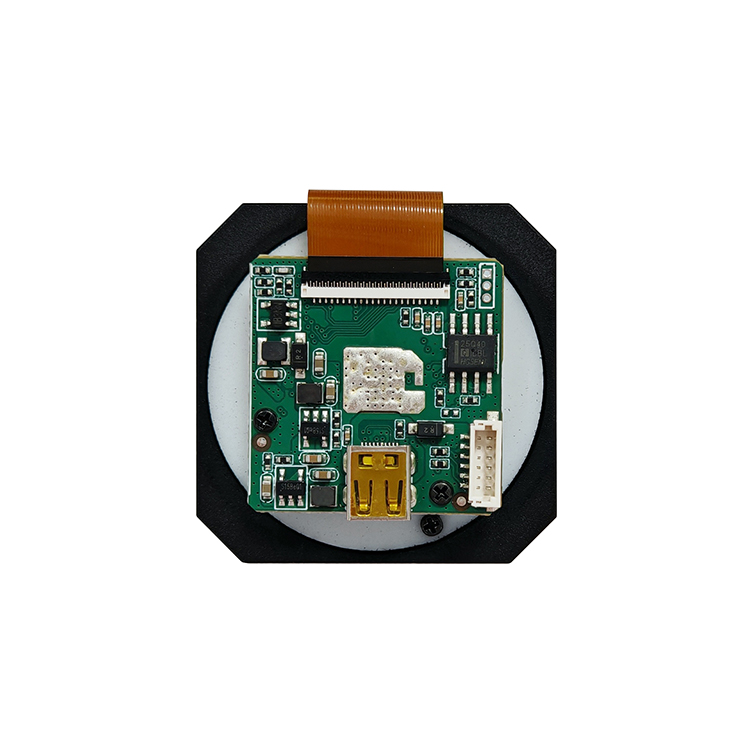
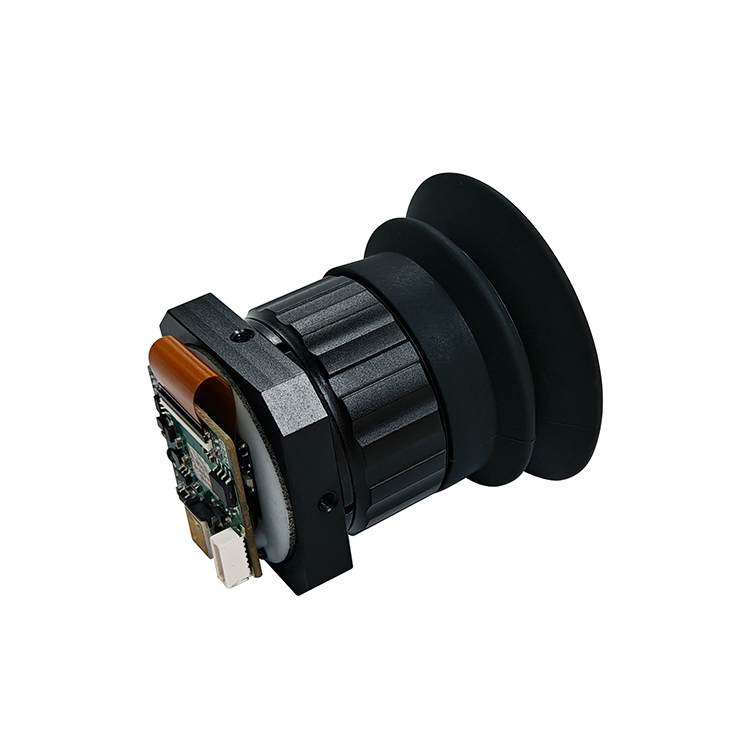
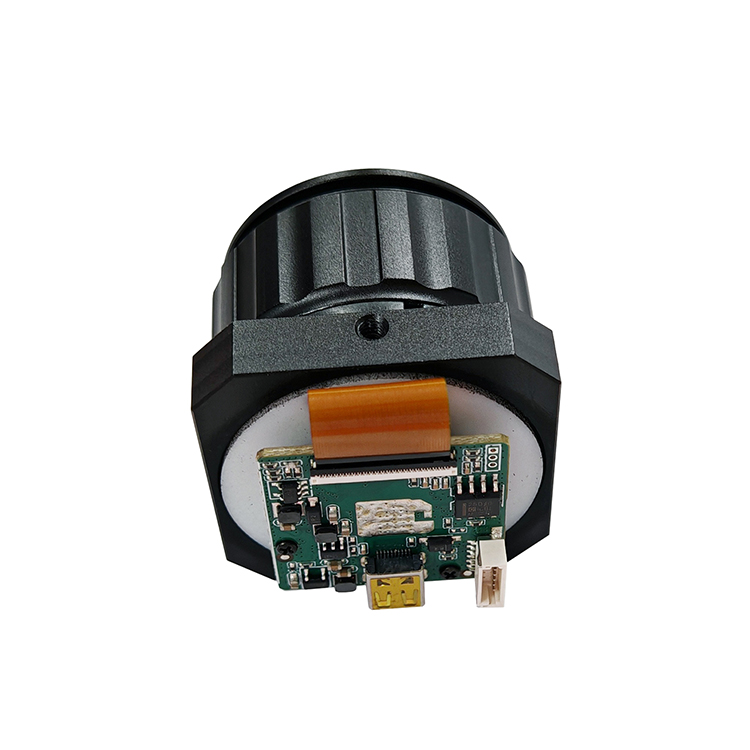
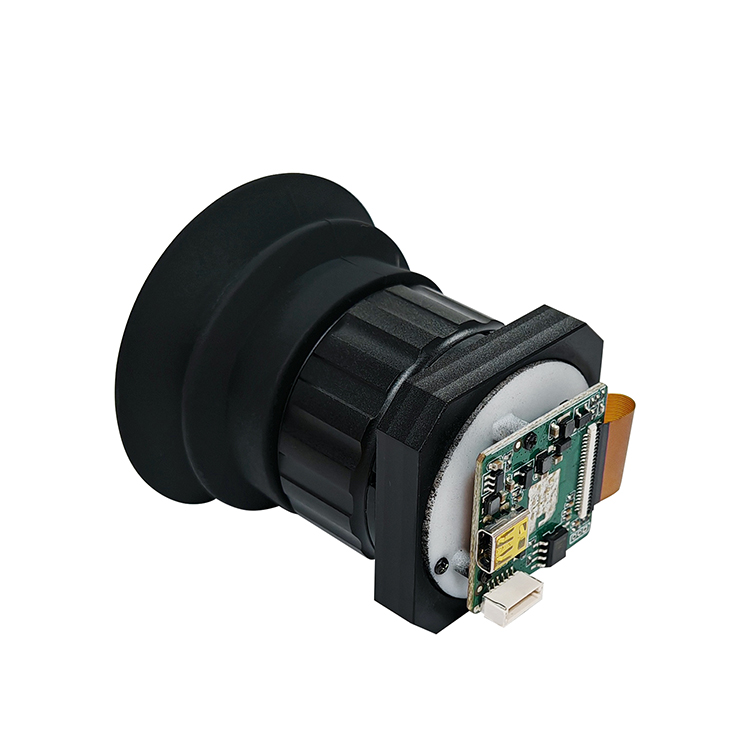
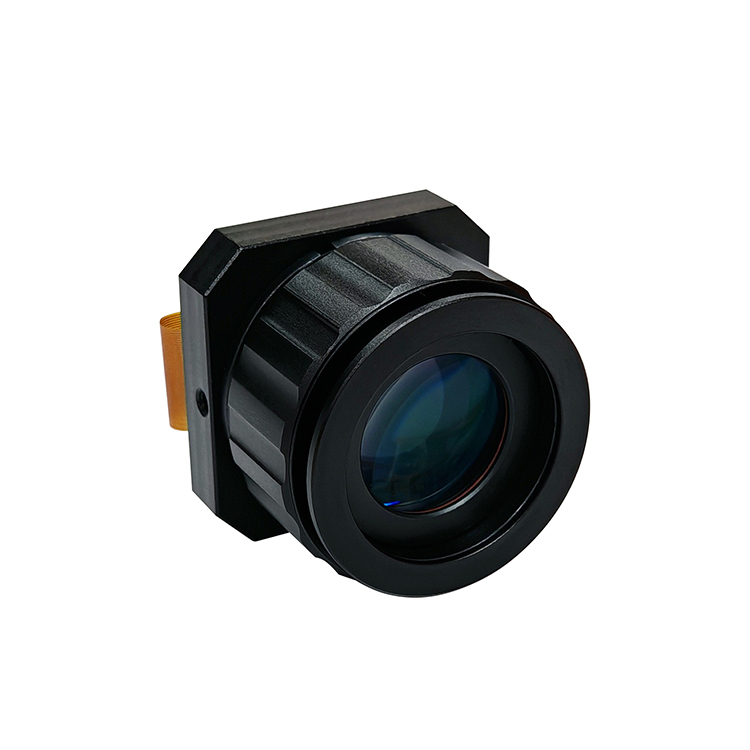
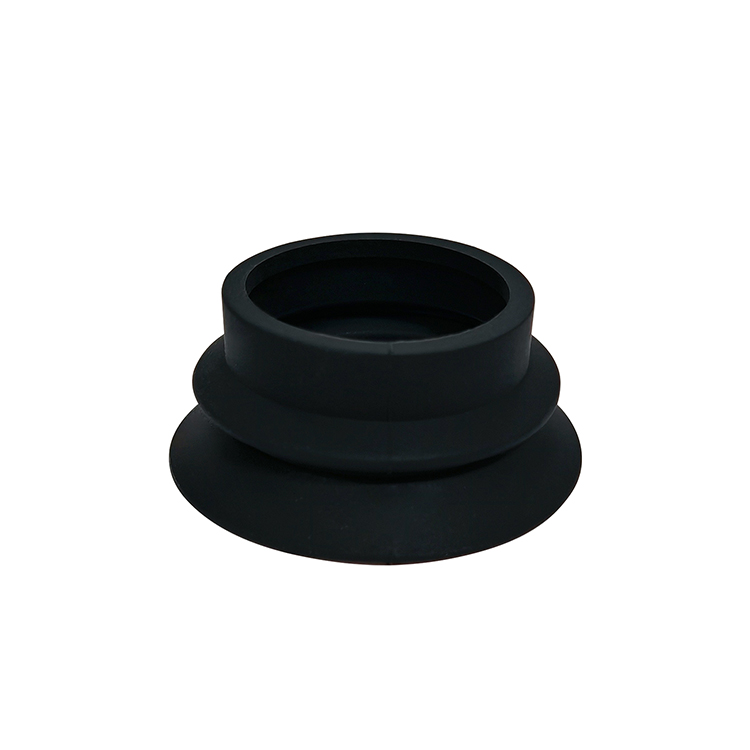
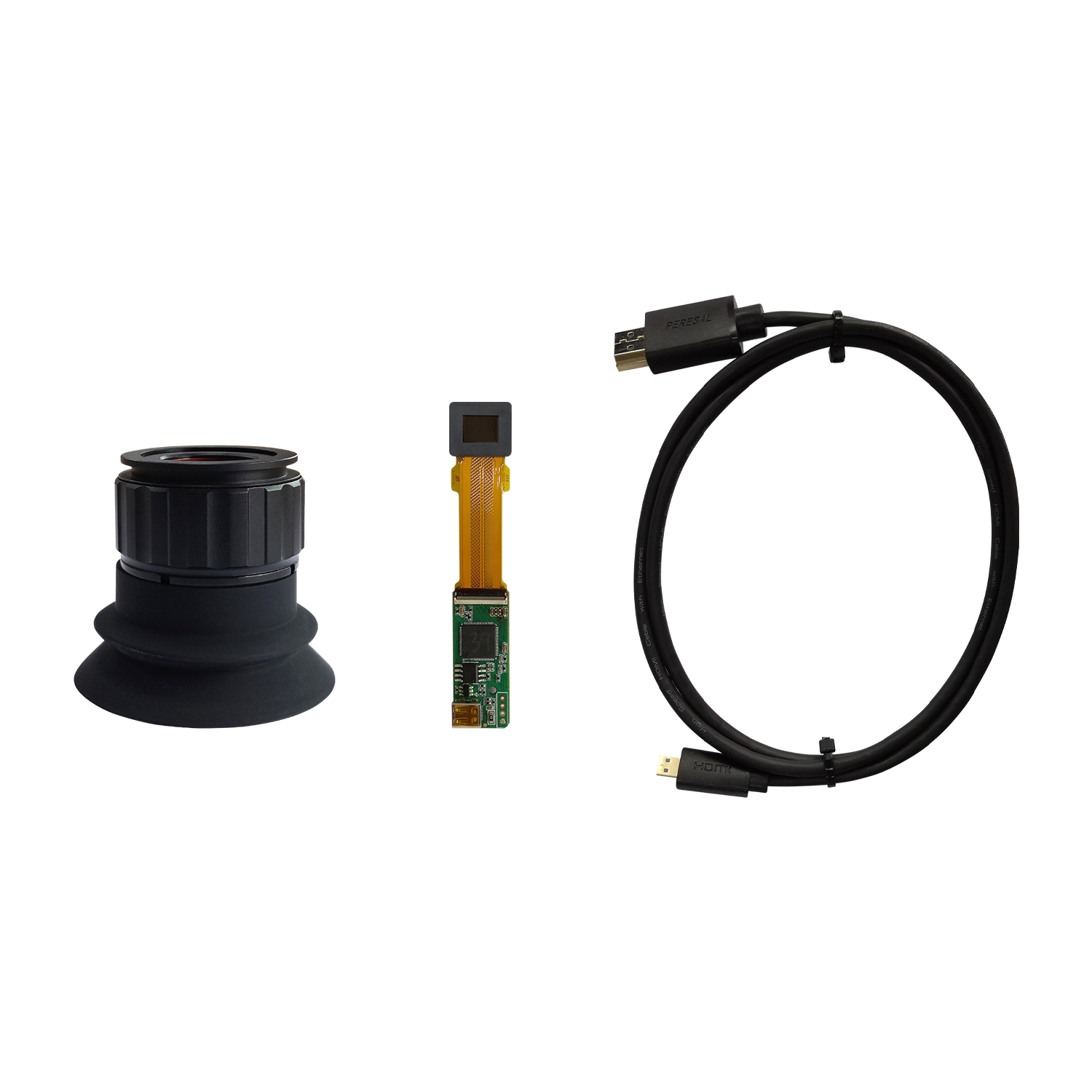
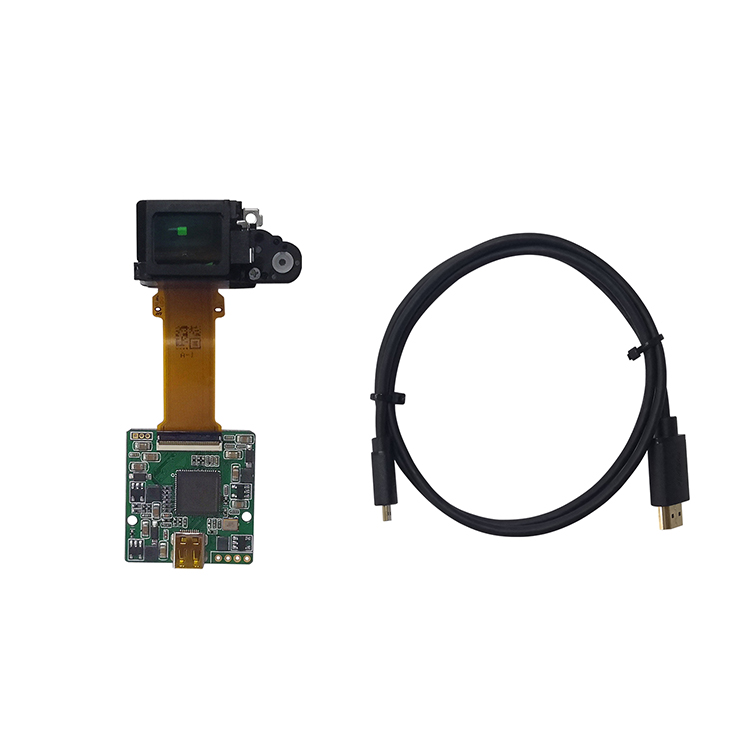
The 0.39-inch OLED microdisplay integrated kit is a compact, high-performance visualization module designed primarily for electronic viewfinders (EVF).
The 0.39 inch OLED microdisplay integrated kit, model HGM0XGA039136A, is a compact full-color display solution designed for electronic viewfinder (EVF) applications and near-eye systems. Featuring a 1024×768 resolution within a 0.39-inch diagonal, the module achieves ultra-high pixel density and refined image clarity. With a typical luminance of 500 cd/m², 60 Hz refresh rate, and integrated support for digital video input formats, the display balances optical performance with interface flexibility. Its wide operating temperature range and compact FPCA-based structure further support reliable deployment in portable and industrial imaging systems.
General Specification
|
|
|---|
Microdisplay Architecture and Optical Performance
High-Density Pixel Structure
The microdisplay adopts an RGB vertical stripe pixel arrangement, delivering a resolution of 1024×768 within an active area of just 7.92 × 6.00 mm. With a pixel pitch of 7.5 μm, the resulting pixel density reaches approximately 3255 PPI, enabling exceptionally fine image rendering suitable for near-eye viewing systems.
This level of integration ensures that even intricate graphical elements and text are displayed with precision, minimizing visible pixelation and enhancing user immersion in EVF and head-mounted applications.
Luminance and Contrast Characteristics
With a typical luminance of 500 cd/m² and a contrast ratio exceeding 10,000:1, the display maintains strong visibility and depth reproduction across varying ambient conditions. The OLED emissive nature allows true black levels and high dynamic contrast, contributing to a vivid and stable visual experience.
Electrical Interface and Signal Processing
Digital Video Input Compatibility
The integrated kit supports multiple digital video input standards, ensuring compatibility with a wide range of video sources:
· 24-bit RGB parallel input
· 24-bit YCbCr digital input
· 16-bit YCbCr (4:2:2 format)
This versatility enables seamless integration with image processors, FPGA platforms, and multimedia SoCs, particularly in imaging and optical systems.
HDMI Integration Advantage
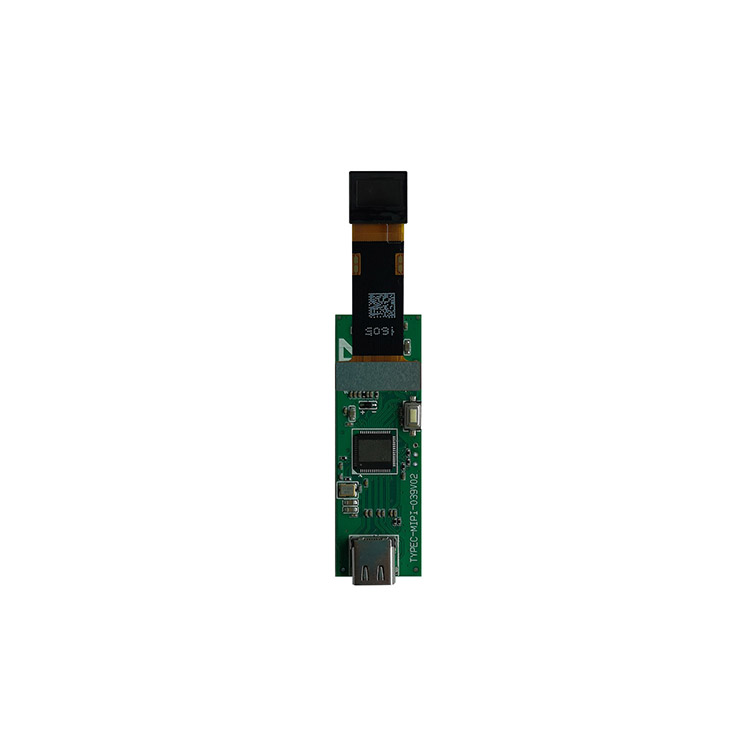
With an HDMI interface board integrated into the kit, the module simplifies system-level design by allowing direct connection to common video output devices. This reduces development complexity and shortens the prototyping cycle, especially in evaluation and demonstration environments.
Signal Enhancement Functions
The display incorporates internal signal processing features, including contrast adjustment and grayscale optimization. An 8-bit input signal is processed through a 10-bit digital-to-analog conversion, resulting in smoother grayscale transitions and improved image fidelity.
Additional features such as horizontal and vertical mirroring provide flexibility in optical path design, particularly in compact optical modules where image orientation must be adjusted.
Mechanical Design and Integration
Compact Form Factor
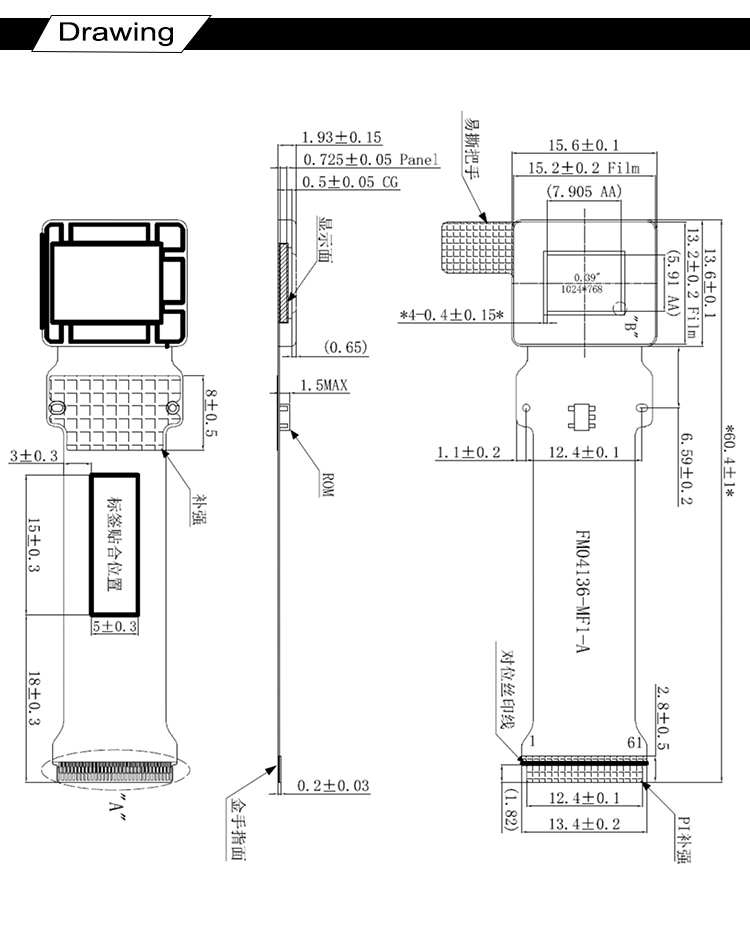
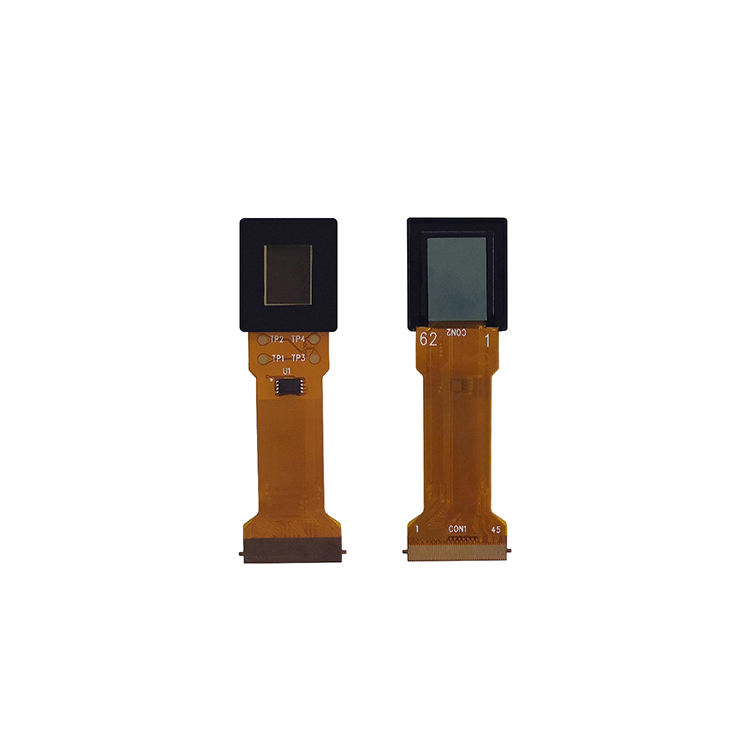
The microdisplay panel itself measures 11.72 × 8.41 mm, while the full module with FPCA extends to 50.4 × 15.6 × 2.0 mm. This compact structure supports integration into space-constrained devices such as EVFs, thermal imaging viewers, and wearable optics.
Reliability and Environmental Performance
Engineered for durability, the module operates within a temperature range of -40°C to +65°C and supports storage conditions down to -55°C and up to +80°C. This resilience ensures stable performance in both field and industrial environments.
Functional Features and Application Scope
Advanced Display Control
The module integrates a 2-wire serial interface for control functions, enabling parameter configuration and display adjustments. Combined with progressive scanning, the system ensures stable and flicker-free image presentation.
DRAWING
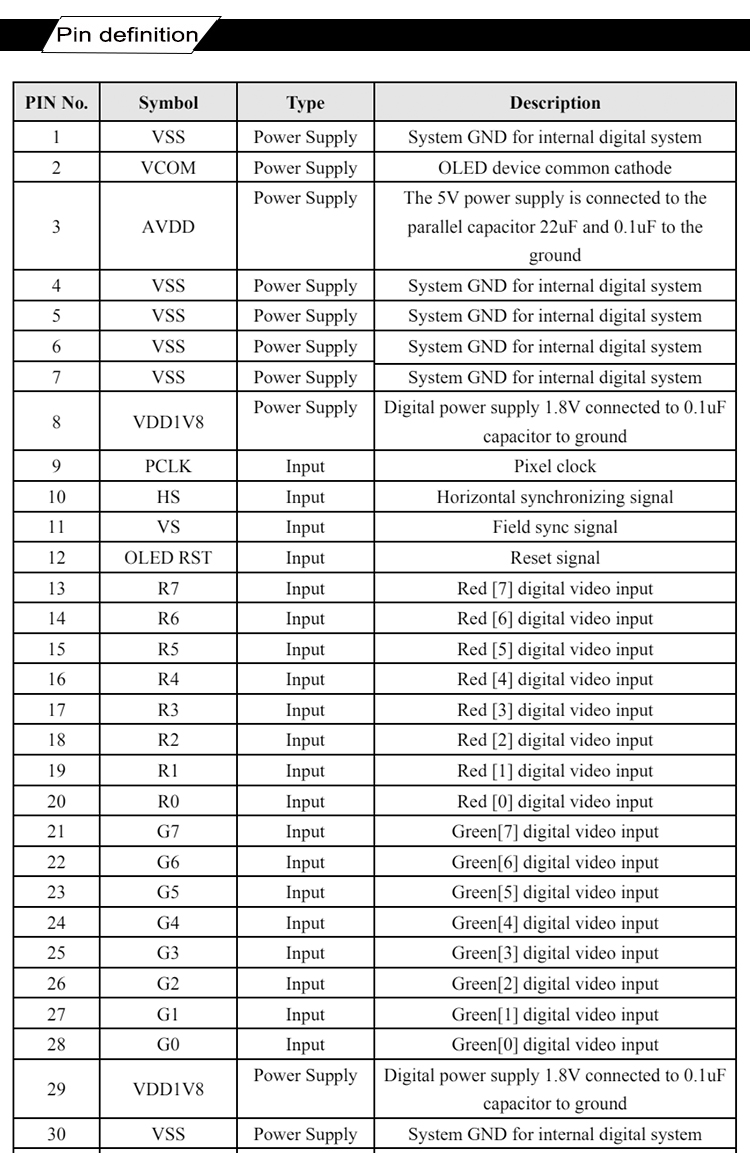
INTERFACE PIN FUNCTION
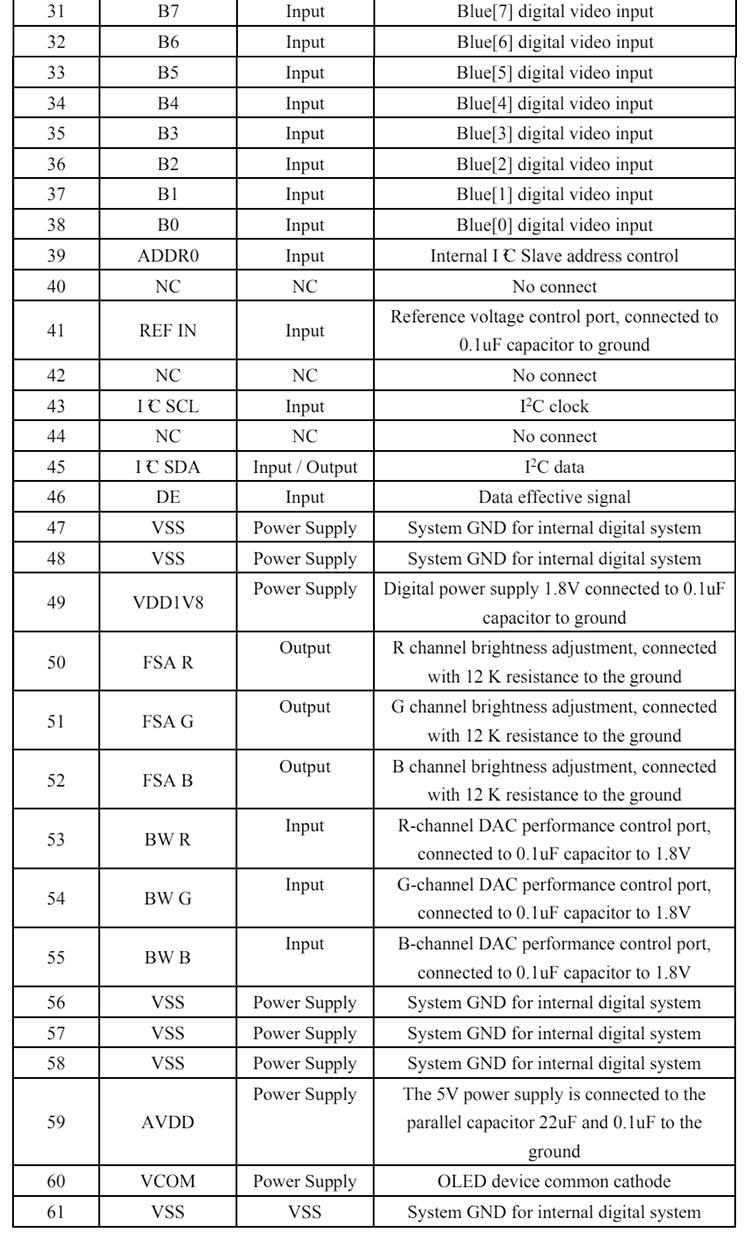
Application Versatility
Owing to its high resolution, compact size, and integrated HDMI functionality, the microdisplay is particularly well suited for:
· Electronic viewfinders (EVF)
· Augmented and virtual reality systems
· Thermal and night vision imaging devices
· Portable optical instruments
System Design Considerations
While the module offers high integration and image quality, careful attention should be given to thermal management and optical alignment in near-eye applications. The high pixel density demands precise optical design to fully leverage its resolution capability.
In summary, the 0.39 inch OLED microdisplay integrated kit represents a refined balance between miniaturization, image performance, and interface convenience. Its mature design and stable operating characteristics make it a reliable component for advanced imaging systems and compact visual platforms.
 Ashley Wu