English
 Español
 Português
 Pусский
 Français
 Deutsch
 日本語
日本語 한국어
한국어 Italiano
 عربى
عربى
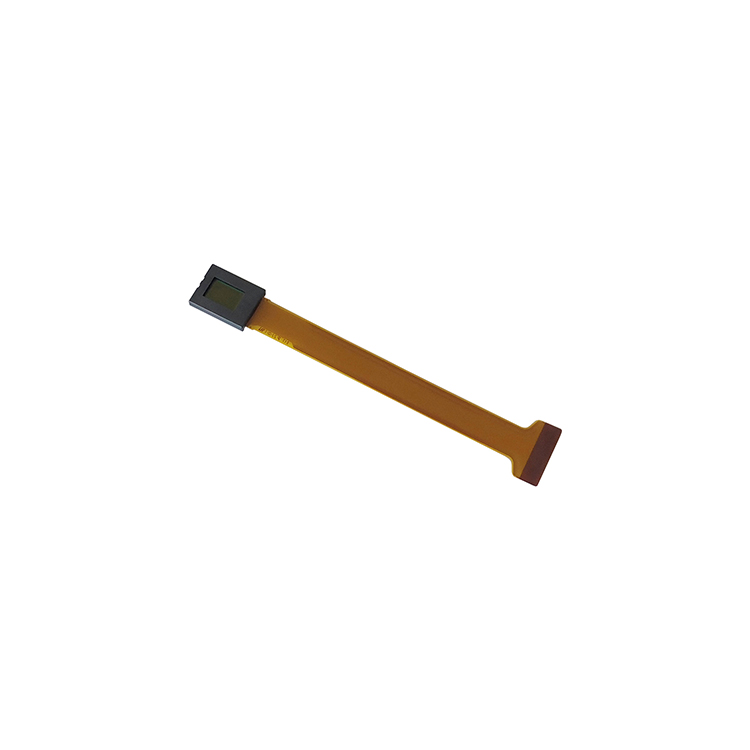
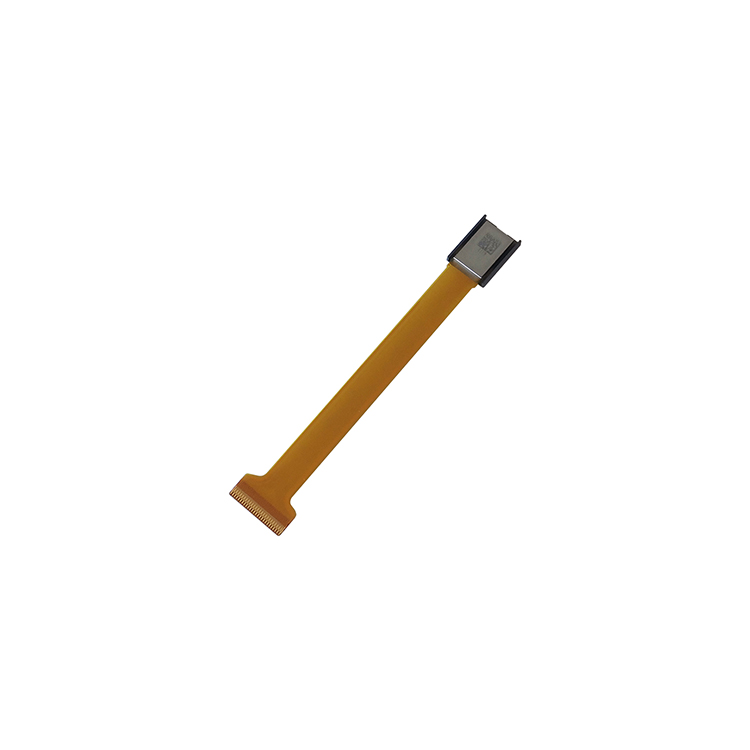
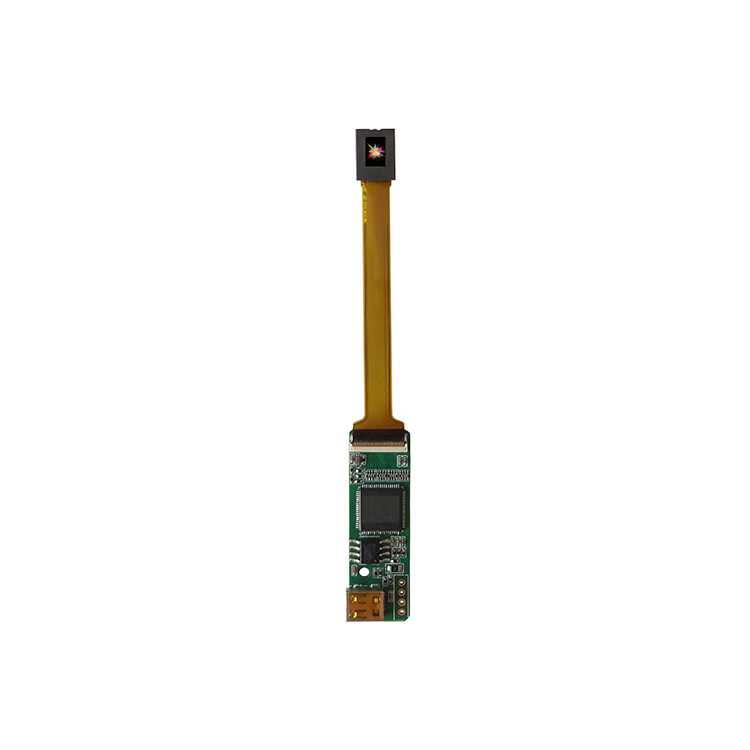
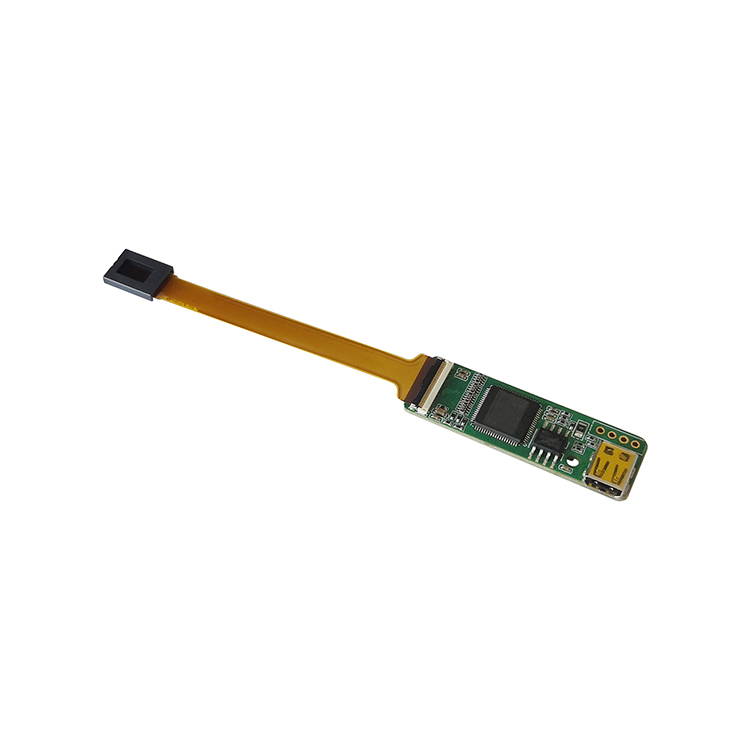
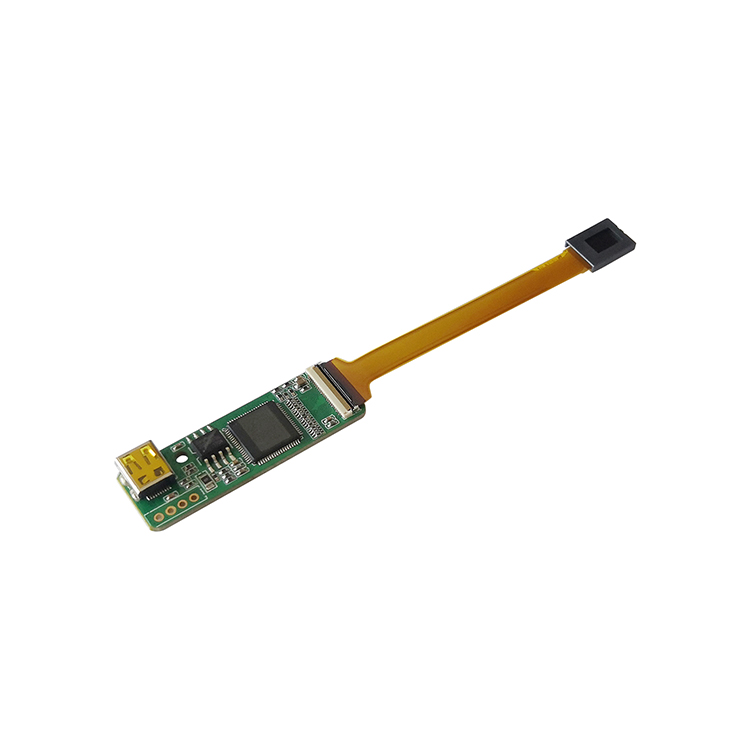
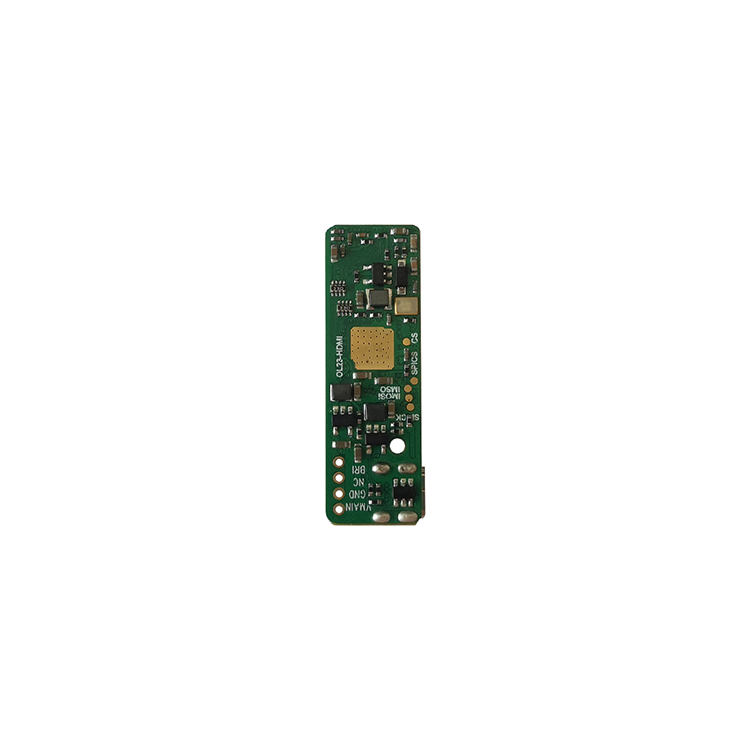
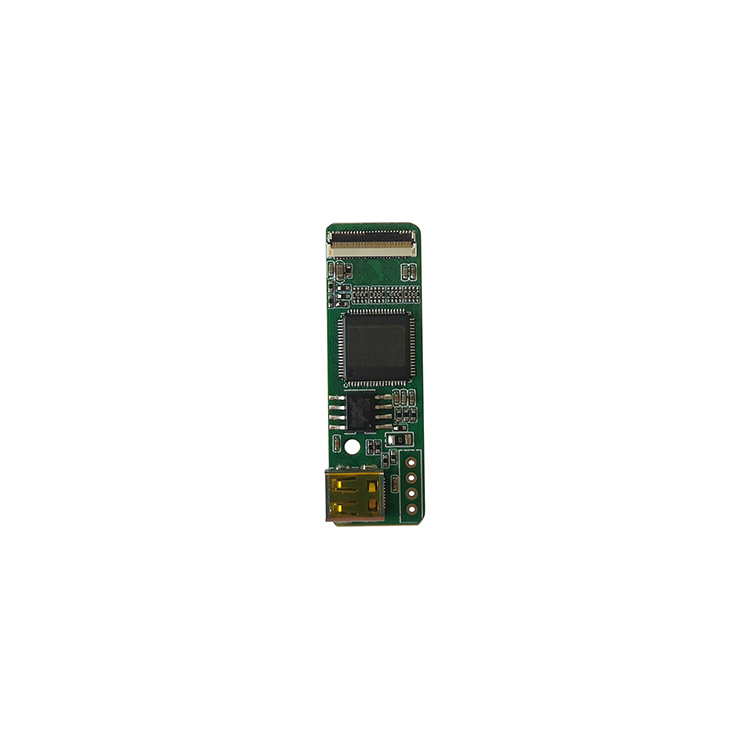
Product Introduction
Product Description
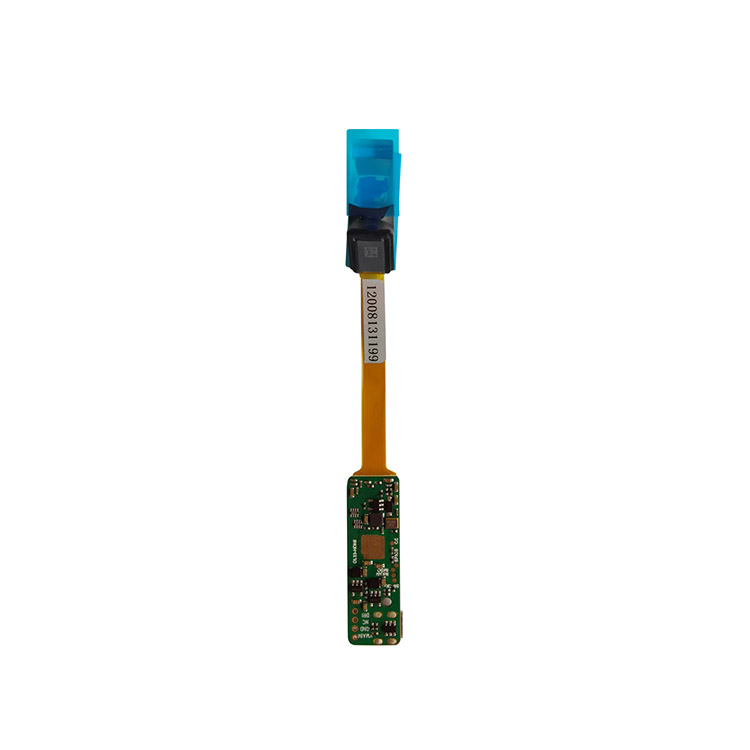
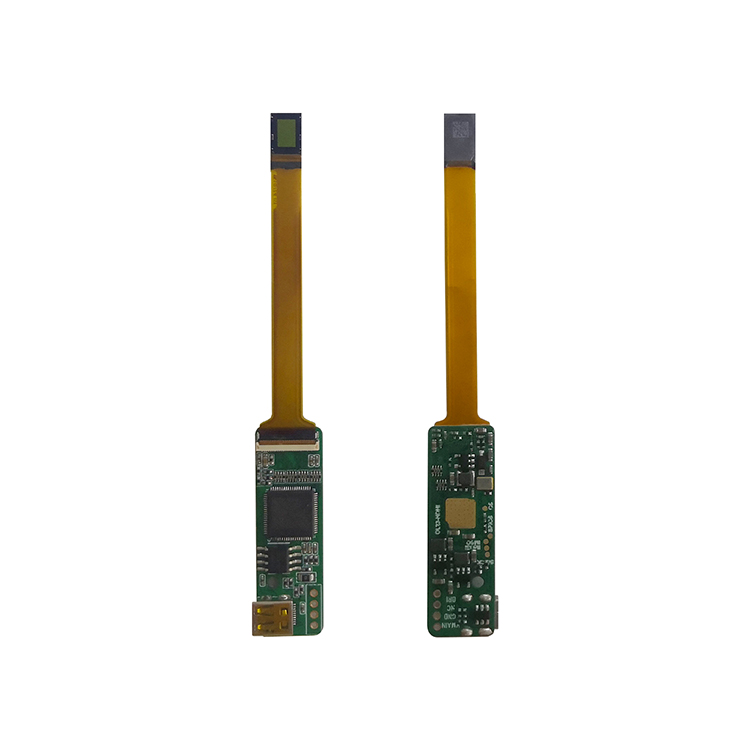
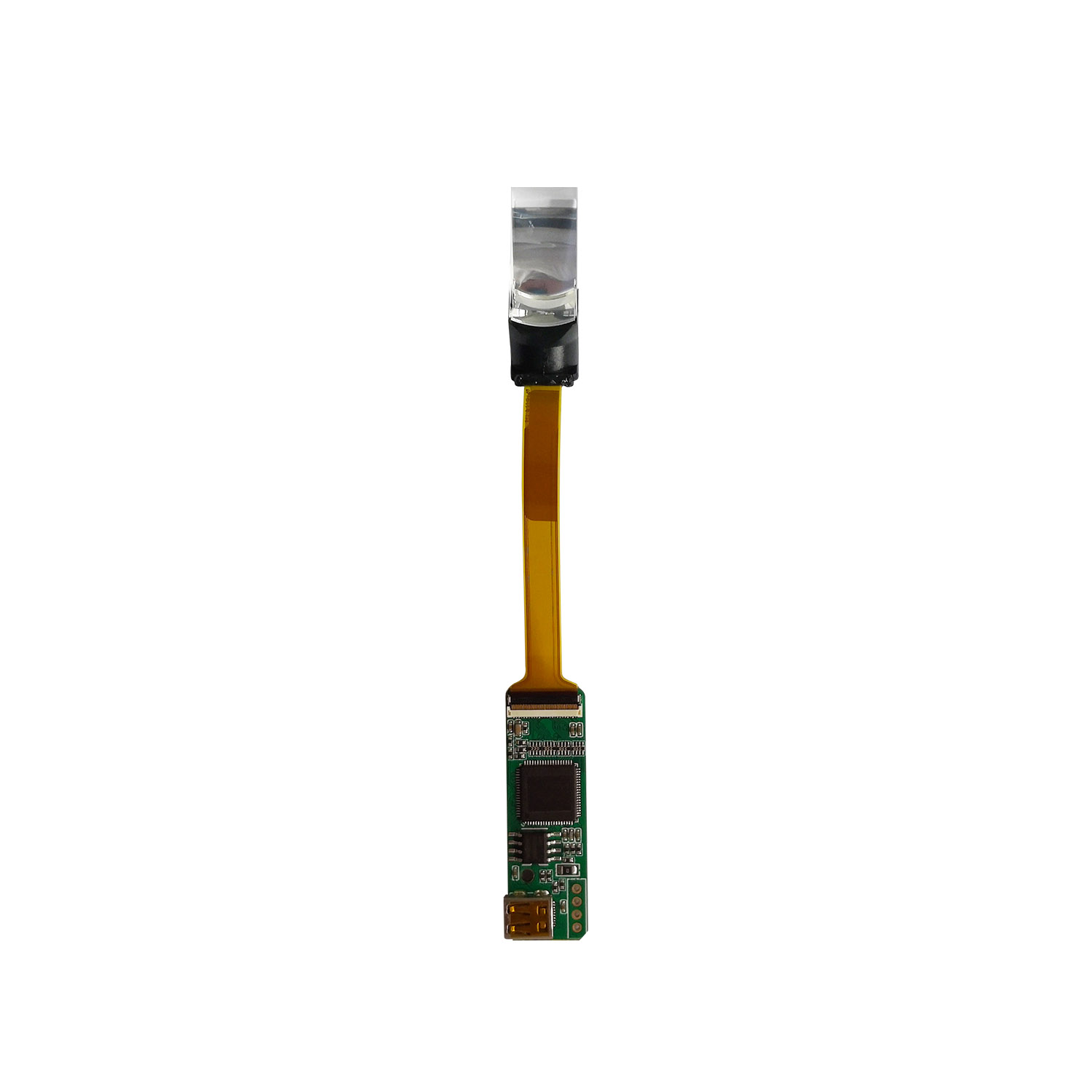
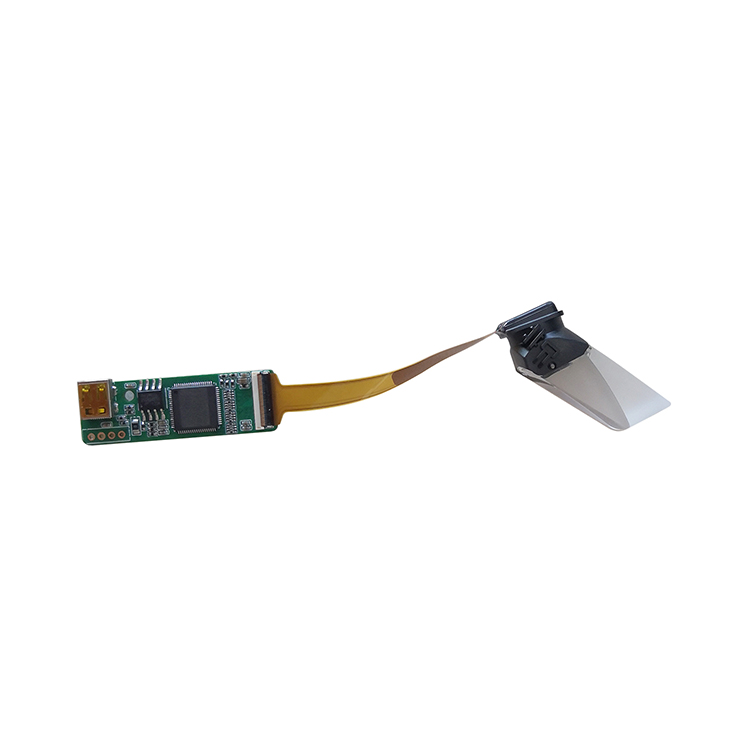
The 0.23-inch OLED microdisplay module, model HCX336BF(E), is a compact color display featuring a 640×400 resolution and luminance ranging from 300 to 2000 cd/m². Designed for AR/VR headsets and near-eye systems, it integrates high pixel density, fast response, and wide color performance within an ultra-small form factor. Supporting multiple video input formats and operating reliably across a broad temperature range, this module delivers stable and high-contrast imaging for advanced visualization applications.
General Specification
| Parameter | Specification |
|---|---|
| Model No. | HCX336BF(E) |
| Display Size | 0.23 inch |
| Resolution | 640 × 400 dots |
| Pixel Density | 3255 PPI |
| Display Type | Color OLED (RGB Vertical Stripe) |
| Luminance | 300–2000 cd/m² |
| Contrast Ratio | >10000:1 |
| Refresh Rate | 60 Hz |
| Active Area | 3.28 × 5.05 mm |
| Panel Size | 10.2 × 7.9 × 0.2 mm |
| Module Size (FPCA) | 50.4 × 15.6 × 2.0 mm |
| Video Interface | RGB 24-bit, YCbCr 16/24-bit |
| HDMI Support | Yes (via external driver board) |
| Operating Temperature | -40°C to +65°C |
| Storage Temperature | -30°C to +80°C |
Core Display Architecture
High-Density Microdisplay Design
At the heart of this module is a 0.23-inch diagonal OLED panel with a resolution of 640 × 400 pixels, forming approximately 0.77 million dots through an RGB vertical stripe arrangement. With a pixel density reaching 3255 PPI, the display achieves exceptional sharpness, which is essential for near-eye viewing where pixel visibility must be minimized.
The active area measures 3.28 × 5.05 mm, enabling integration into highly compact optical engines. Despite its size, the display maintains a well-balanced luminance profile, supporting brightness levels up to 2000 cd/m² for clear image rendering in varying ambient conditions.
Optical Performance and Image Quality
The OLED technology ensures a contrast ratio exceeding 10000:1, allowing deep blacks and vivid color reproduction. The wide color gamut enhances visual realism, while the fast response time eliminates motion blur, which is particularly important in dynamic AR/VR environments.
Additionally, the module supports flexible scan directions (up/down, left/right), enabling adaptable system design and alignment within optical assemblies.
Electrical Interface and Signal Compatibility
Multi-Format Video Input
The display supports parallel RGB 24-bit as well as YCbCr 16-bit and 24-bit input formats, ensuring compatibility with a wide range of video processing units. This flexibility allows seamless integration into existing hardware platforms without extensive signal conversion.
Mechanical Configuration and Reliability
Ultra-Compact Form Factor
The display panel itself has a structural size of 10.2 × 7.9 × 0.2 mm, while the full module with FPCA measures 50.4 × 15.6 × 2.0 mm. This compact configuration supports lightweight and space-constrained device designs, particularly in wearable and head-mounted systems.
Environmental Durability
Engineered for demanding conditions, the module operates within a temperature range of -40°C to +65°C and can be stored between -30°C and +80°C. This ensures consistent performance across diverse environments, from indoor consumer applications to specialized industrial or outdoor use cases.
Functional Features
Power and System Efficiency
The module includes a power-saving (PS) mode, which reduces energy consumption during inactive or low-demand states. This is particularly beneficial for battery-powered AR/VR devices where efficiency directly impacts usability.
Image Stability Enhancements
Orbit functionality is supported to mitigate image retention, a critical factor in OLED longevity. Combined with flexible scan direction control, this feature contributes to stable long-term operation.
DRAWING
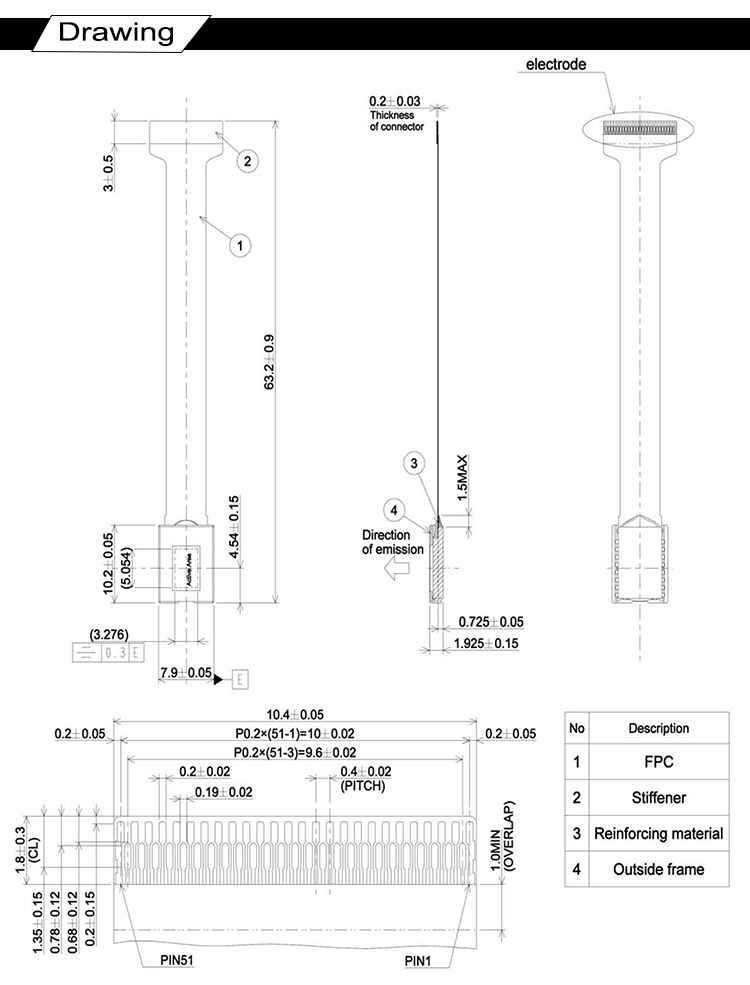
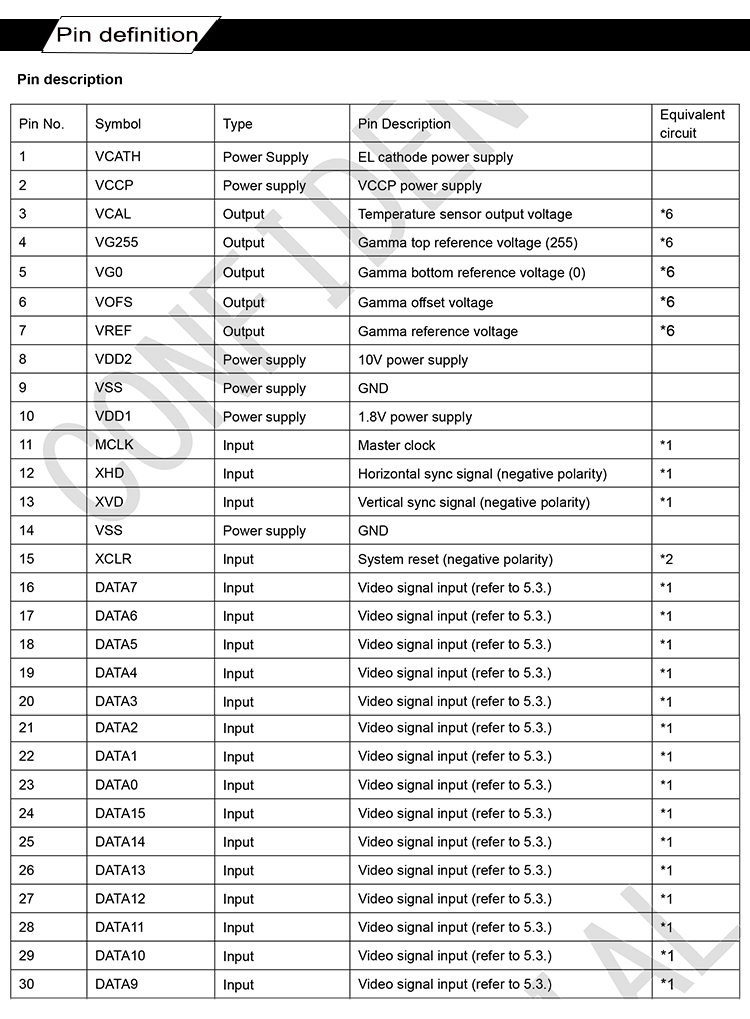
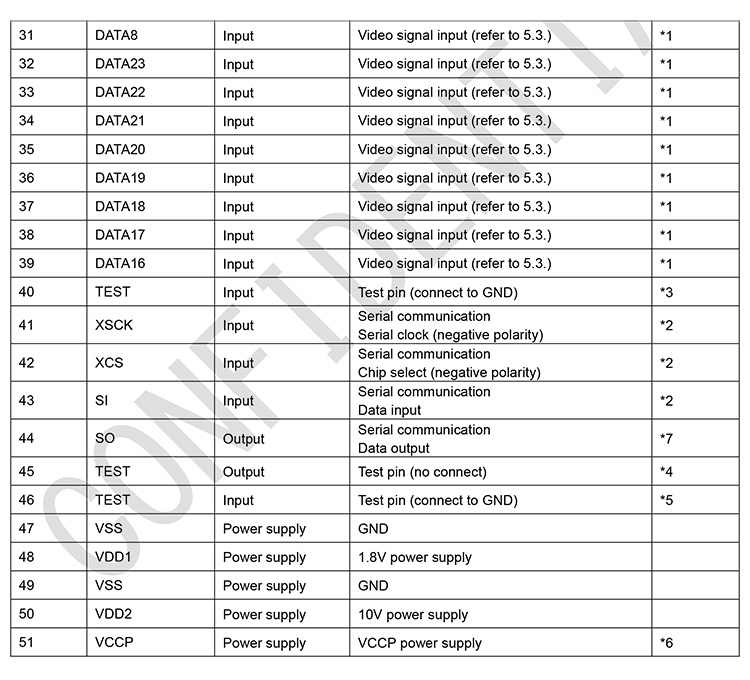
INTERFACE PIN FUNCTION
Application Outlook
AR/VR and Near-Eye Systems
With its high pixel density and compact size, this microdisplay is particularly suited for AR/VR headsets, electronic viewfinders (EVF), and other near-eye display systems. The combination of high brightness and contrast ensures clear imagery even when used with optical lenses and waveguides.
Portable and Embedded Visualization
Beyond immersive devices, the module can also be applied in portable instruments, compact monitoring systems, and advanced imaging equipment where space and display clarity are critical.
 Ashley Wu